Sustainability
Eco-Friendly Travel in Sri Lanka: How Gal Oya Heritage Retreat Reduces Its Footprint
September 29, 2026 · 5 min read · Gal Oya Heritage Retreat
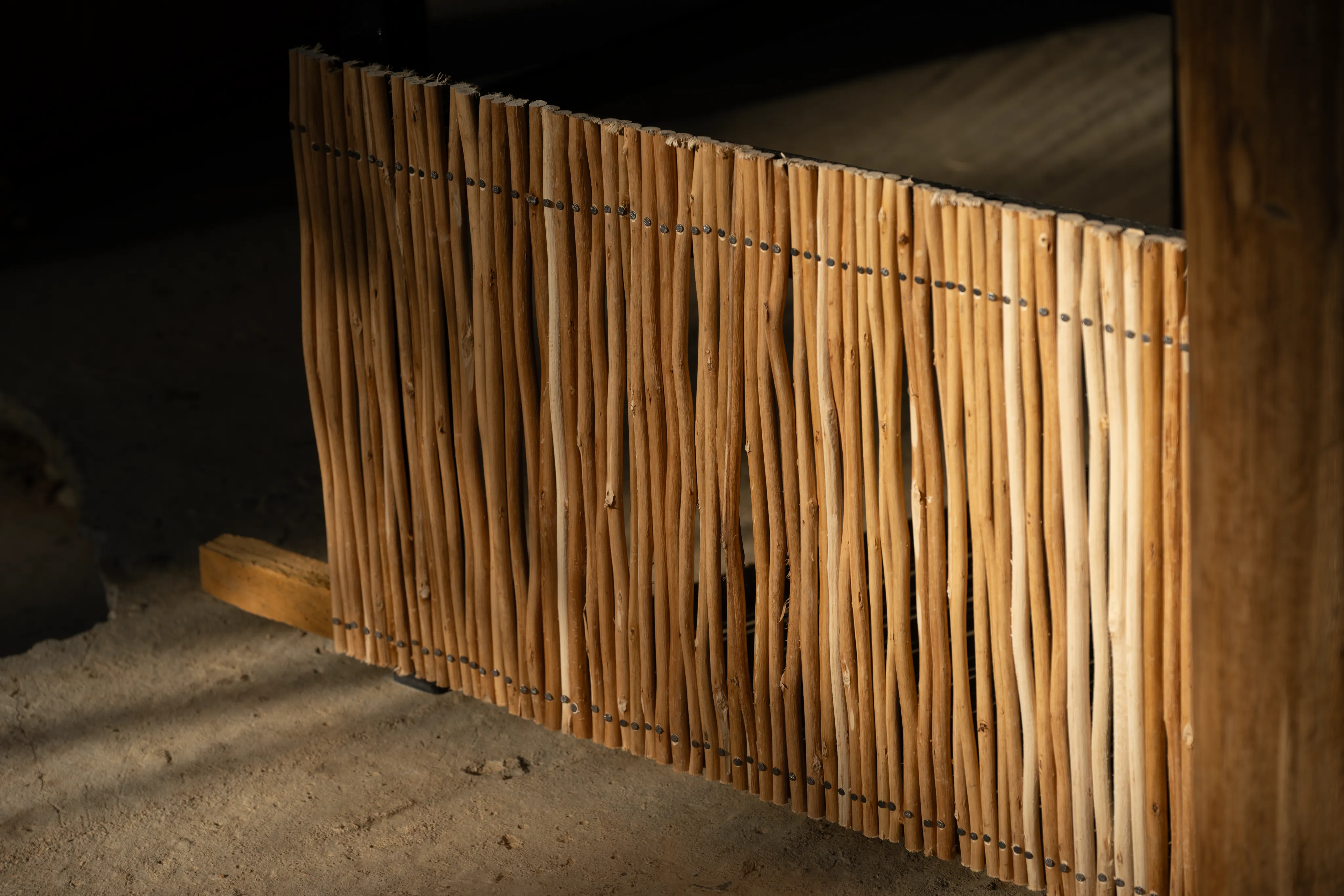
An honest look at what an eco friendly hotel in Sri Lanka looks like on the ground near Gal Oya National Park, from community hiring and wildlife protection to solar power, rainwater harvesting and zero single-use plastics.
80%+
Staff from nearby villages
Solar
Powered lighting & heating
Zero
Single-use plastics
Native
Trees planted every season
Sri Lanka's tourism boom has made “eco-friendly” one of the most overused words in hotel marketing. At Gal Oya Heritage Retreat, it isn't a marketing line. It's a set of daily decisions, from how the chalets are built to who gets hired to run them. If you're searching for an eco friendly hotel in Sri Lanka that treats sustainability as a practice rather than a slogan, here's an honest look at what that actually looks like on the ground near Gal Oya National Park.
A Retreat Built Around Its People
Sustainability conversations tend to jump straight to solar panels and composting bins, but at Gal Oya Heritage Retreat, it starts with people. Over 80% of the staff come from the surrounding villages, not as a token hiring policy, but because it keeps income, skills, and opportunity inside the community instead of exporting jobs to bigger cities. Many team members now build careers close to home rather than leaving to find work elsewhere.
That same thinking extends outward. The retreat sources food, amenities, and guided experiences from local farmers, craftspeople, and guides, and runs hospitality and language training on-site so skills stay useful long after a guest checks out. There's also a deliberate effort to support small businesses nearby: village markets and independent service providers get visibility and referrals instead of being left out of the tourism economy altogether.
Scholarships for children in nearby schools round this out, a quieter form of sustainable travel in Sri Lanka that rarely makes it into a hotel brochure, but arguably matters more than any of the environmental stats. It's a reminder that a genuinely eco-friendly hotel in Sri Lanka has to think about its human footprint as carefully as its carbon one.
Protecting Gal Oya's Wildlife, One Choice at a Time
Gal Oya isn't just another national park stop on a Sri Lanka itinerary. It's home to elephants, leopards, and one of the few boat safaris in the country where you can watch elephants swim between islands. Staying at a property that takes that seriously changes the experience.
The retreat's buildings are designed to work with the landscape rather than against it, using sustainable materials and clearing as little vegetation as possible during construction, so the chalets sit inside the terrain instead of flattening it. Guided activities follow wildlife-safe protocols: no plastic on trails, no feeding animals, no wandering off marked paths, no chasing a better photo at an animal's expense.
Behind the scenes, the property also supports camera-trap monitoring and conservation surveys with researchers, and plants native trees each season to help restore forest that's been degraded over the years by encroachment and past land clearing. None of this is visible from a guest's chalet window, but it's the reason the wildlife around Gal Oya National Park is still worth watching in the first place, and why a boat safari here still feels wild rather than staged.
The Everyday Habits Behind the Scenes
Ask any sustainability-minded traveler what they actually check for, and it's usually the unglamorous stuff: where the water goes, what the toiletries are made of, how the electricity gets generated. Gal Oya Heritage Retreat covers most of that list: solar-powered lighting and heating, rainwater harvesting for irrigation, grey water recycling for the landscaping, and zero single-use plastics across the property.
The kitchen leans on local, seasonal produce, which cuts down on transport emissions and keeps money with nearby farmers rather than distribution chains. Organic waste is composted on-site, cleaning products and toiletries are biodegradable, and even procurement, the stuff a hotel buys in bulk, follows internal sustainability guidelines rather than defaulting to whatever's cheapest. The chalets themselves are built as zero-carbon structures, which is a fairly unusual claim to back up in practice but shows up consistently across how the property sources materials and manages energy.
It's the kind of detail that doesn't show up in a five-star review, but it's exactly what separates a genuinely sustainable hotel near Gal Oya from one that's just using the word in its meta description. Regular eco-audits track waste, energy, and water use internally, and guest feedback feeds directly back into those practices rather than sitting in an inbox somewhere.
Respecting the Land's First Guardians
No conversation about responsible tourism in Sri Lanka's Gal Oya region is complete without the Vedda community, the area's indigenous inhabitants and its original conservationists. Gal Oya Heritage Retreat works directly with Vedda representatives to run cultural walks and workshops, led by community members rather than performed for them.
Revenue from these experiences goes back into community preservation and education, and staff receive cultural sensitivity training so the relationship stays respectful rather than extractive. It's a model that treats indigenous knowledge as something to learn from, not a photo backdrop and not a line item in a tour brochure.
Why This Matters If You're Planning Eco-Friendly Travel in Sri Lanka
Sustainable travel in Sri Lanka is easy to promise and hard to prove. The honest test isn't a single certification or a page on a website. It's whether a property's daily operations, staffing, sourcing, and land management line up with what it claims. Gal Oya Heritage Retreat's approach (measurable, community-rooted, and quietly consistent) is what conscious travel in Sri Lanka is supposed to look like: fewer buzzwords, more follow-through.
If that's the kind of stay you're after, Gal Oya Heritage Retreat is worth building your Sri Lanka itinerary around. Explore the rooms, plan a Gal Oya safari, or reach out directly to start planning a trip that gives back as much as it takes in.
Frequently Asked Questions
Is Gal Oya Heritage Retreat an eco-friendly hotel in Sri Lanka?
Yes. The retreat runs on solar power, harvests rainwater, recycles grey water for landscaping, composts organic waste, and avoids single-use plastics entirely, alongside sourcing food locally and using biodegradable cleaning products and toiletries.
Does Gal Oya Heritage Retreat support the local community?
Over 80% of staff are hired from nearby villages, and the retreat partners with local farmers, craftspeople, and guides while funding scholarships and hospitality training for the surrounding community.
How does Gal Oya Heritage Retreat help protect wildlife in Gal Oya National Park?
Through nature-first construction, wildlife-safe activity protocols, support for camera-trap conservation research, and seasonal native tree planting to restore degraded habitat.
Does the retreat work with the Vedda community?
Yes. Cultural walks and workshops are led by Vedda representatives, with revenue directed toward community preservation, and staff trained in respectful, non-extractive cultural engagement.
What makes sustainable travel in Sri Lanka meaningful rather than just marketing?
Consistency between claims and daily operations: staffing, sourcing, waste handling, and land use, rather than a single certification or a one-off green initiative.
Plan a stay that gives back
Explore our chalets, plan a Gal Oya safari, or reach out to start planning your trip.
+94 77 198 6066
Hello@galoyaretreat.com
New Siripathana, Galgamuwa ,
Galoya,
Galoya, Sri Lanka


All Rights Reserved 2025 The Valley Casita
Back to Top
Built by MetaZync